Precious Planet Earth: Our Only Home
Text by Arun N. Toké, editor; Photos by Paul Dix, Oregon.
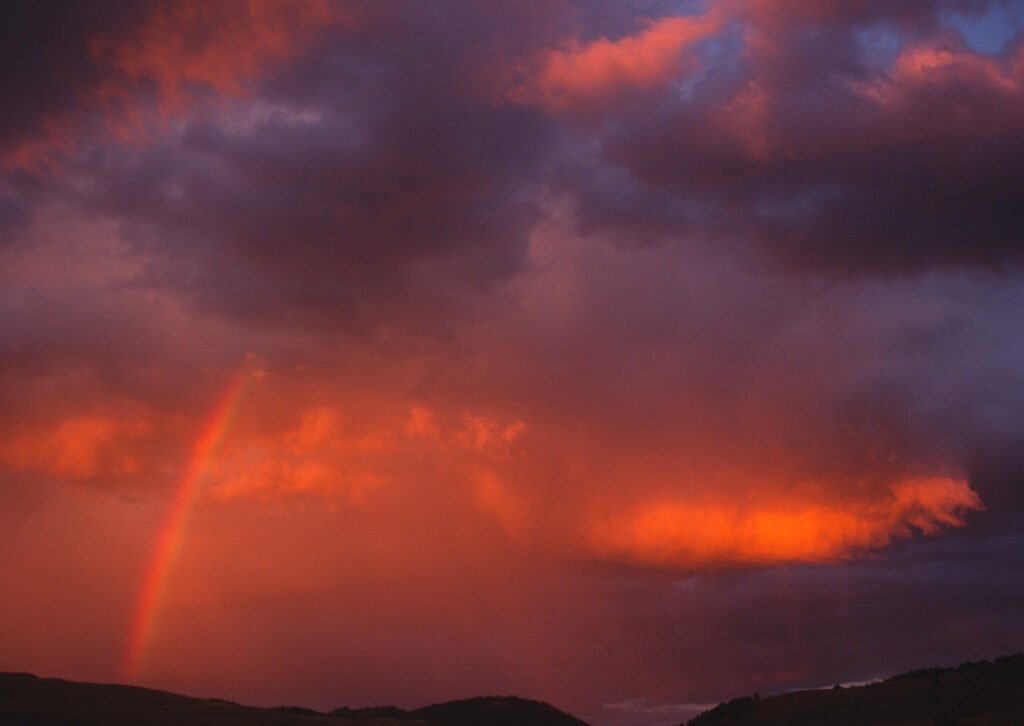
A Rainbow at Sunset, Montana, the Big Sky State
Happy Earth Day 2026!
Planet Earth, our only home has been around for about 4.6 billion years. Since its beginning, there have always been constant changes on the planet. Early in Earth’s history, most changes were geological or astronomical, but over time, life and the biosphere have become significant drivers of change on our planet.
With the beginnings of the industrial revolution, the human embrace of a collective growth mindset, and the subsequent emergence of multinational corporations and large-scale international trade, we have become the primary driver of changes to our global home.
With an exponentially-increasing human population, now approaching 8.4 billions in 2026, the extraction, production, and consumption of fossil fuels, minerals, plastics, and other chemicals have skyrocketed. Our carbon footprint is continuing to rise and carbon dioxide, methane, and other greenhouse gases are accumulating in our atmosphere and changing local and global climates. The impacts of pollution on the air, water, and land is observable globally and our collective actions (as well as inaction) are altering ecosystems and the biosphere. The human-caused climate change is occurring and its impacts are already being felt in vulnerable coastal areas, along ecological boundaries, and in our cities. Major consequences of climate change will be felt around the globe in a matter of decades.
Unfortunately, the majority of our governments, corporations, and businesses, either ignore the understanding gained through scientific knowledge and computer modeling, pretend to be ignorant of its consequences, or push off action to future generations. They keep on doing business as usual—growth, growth, growth. Wanting more profits and more control over the market, they go for more production, more consumption, and as a result, greater impact on the Earth’s natural systems. The current U.S. leaders side with corporations over future generations of people, favoring ecologically-suicidal fossil fuels—oil, fracked gas, and coal—over renewable energy like wind mills and photovoltaic (solar) power.
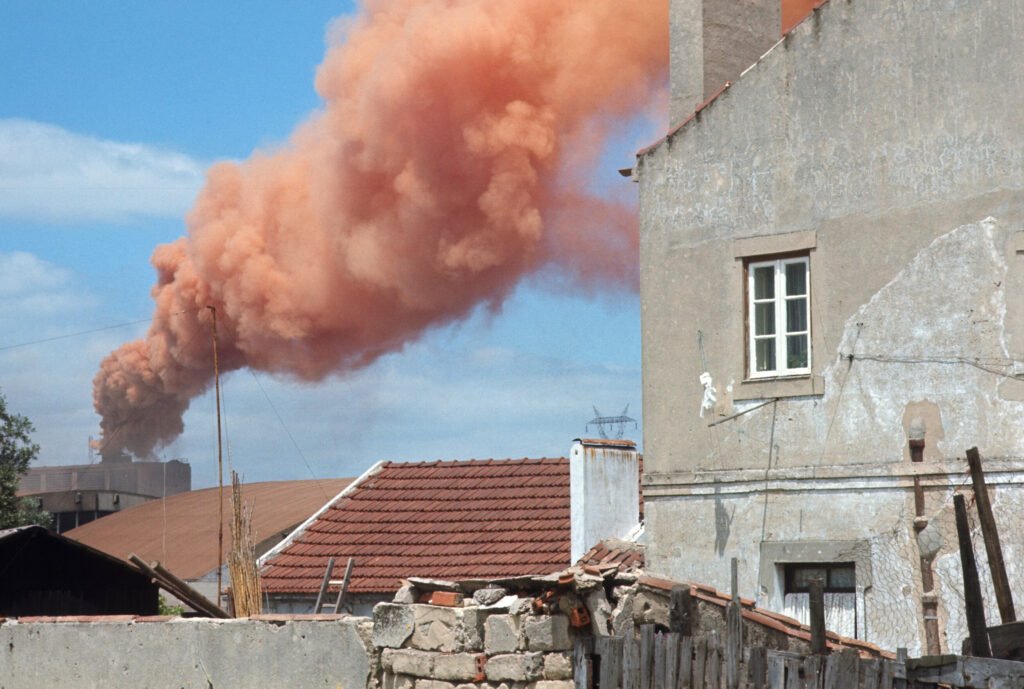
Emissions from a Steel Factory
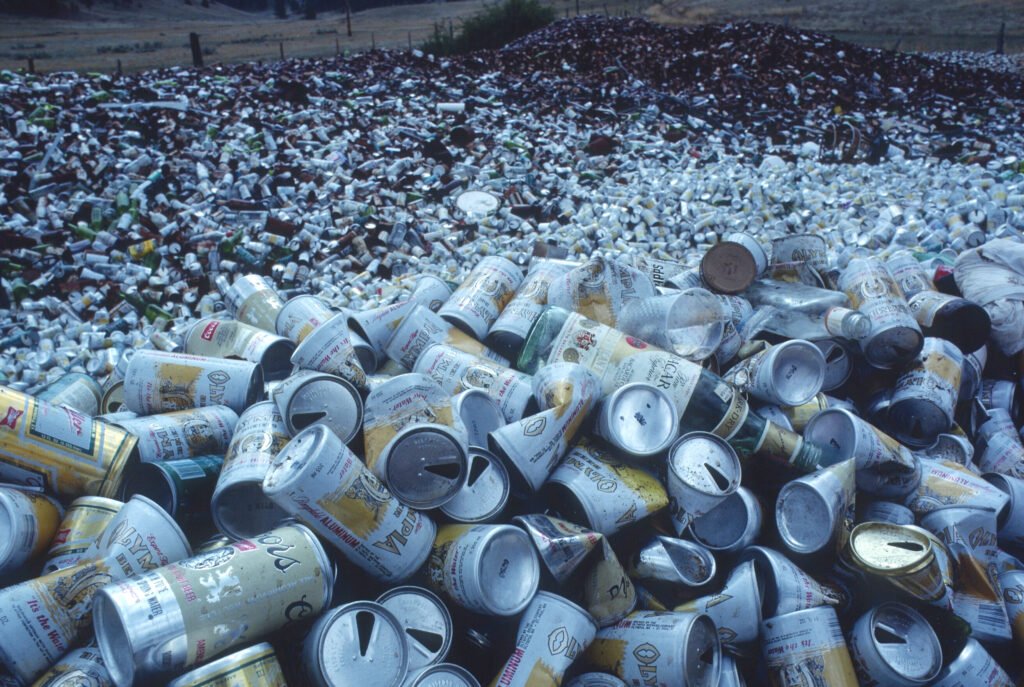
Aluminum Cans and Beer Bottles in the Backyard a Bar in Montana
Everything is interconnected in nature: weather systems, ocean currents, and the cycles of important chemicals (water, nutrients, metals, etc.) are all mediated over long time periods by the Earth’s geology and make our Earth a unified system capable of nurturing diverse fauna and flora over hundreds of millions of years. But humanity, with our amazing ability to invent and create technological know-how and build huge systems to serve our ever-growing population, has reached a state where we’re able to alter the very environment that has enabled our growth. The planetary system has ways to balance the short term ecological changes that we have made in the last 200 years, but they operate over timescales (millions of years) that are inaccessible to us. As a result, we cannot rely on natural cycles to solve the serious problems we have created. We must be proactive to protect society and the natural cycles and systems as we know them. Else, life on this planet would become hard to sustain in many regions. It would need to be supported by artificial means because of life-threatening storms, huge temperature fluctuations, and large-scale habitat destruction.
In this photo essay, we offer a glimpse of our precious planetary home. But having experienced various parts of this beautiful home of ours in real life, we know the limitations of this virtual medium. This visual-only medium is unable to fully convey the multi-sensory, magnificent nature of the Planet Earth! We want all of us to experience it in real life, because we know that when we’ve experienced it, we’d love it! And when we love nature, we’d do all we can to preserve its beauty, its wholesomeness.
We wish you a beautiful Earth Day, every day!
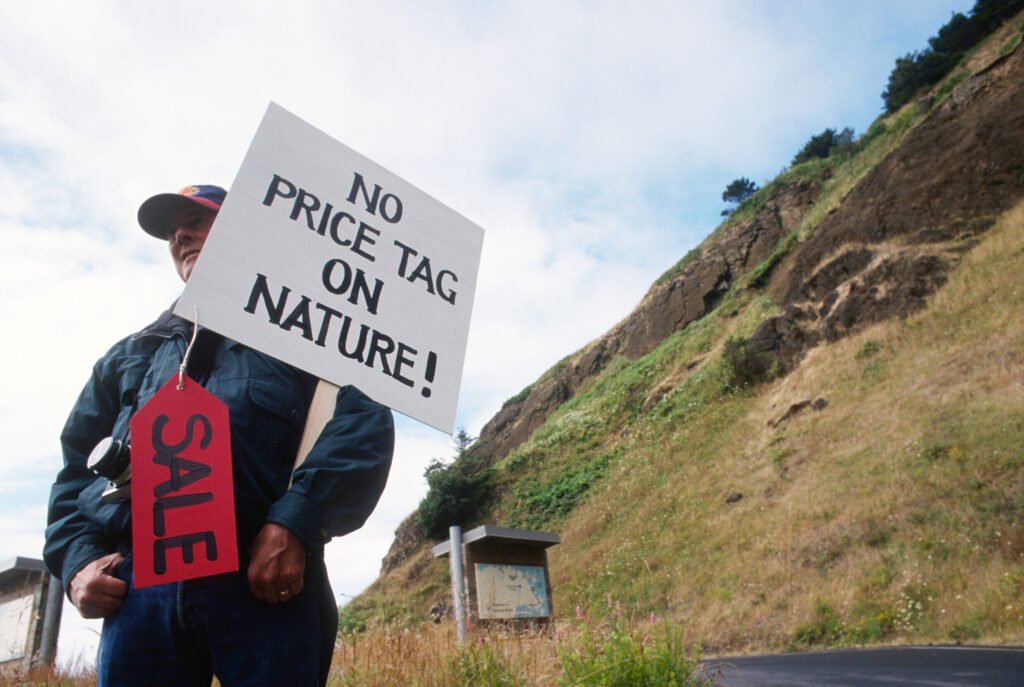
Nature is Priceless! A Demonstrator Raises Nature Awareness at the Oregon Coast
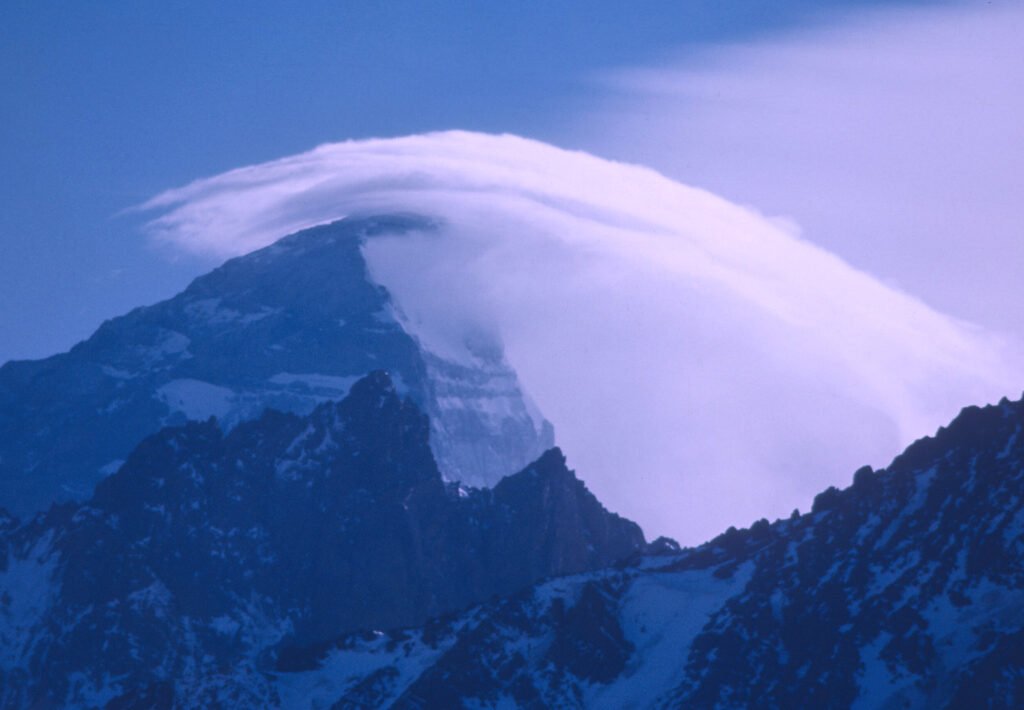
Mt. Aconcagua, in Argentina (elevation 22,858 ft.), is the highest peak in the Americas.
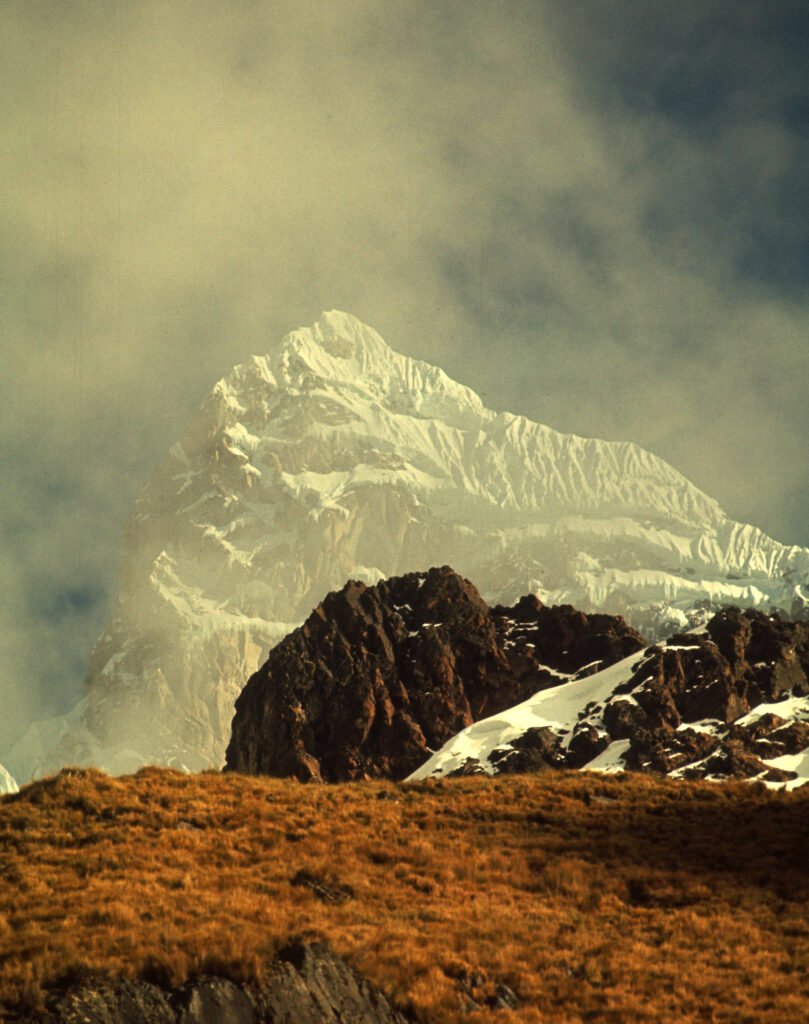
The Jirishanka Peak (almost 20,000 ft.) in the Andes, Peru, South America
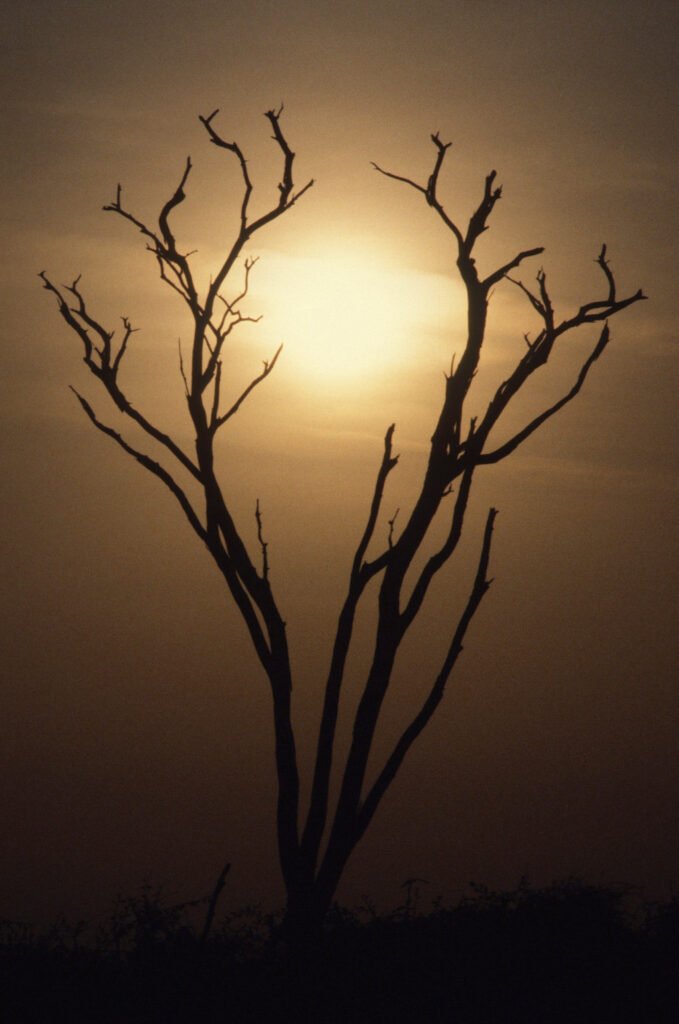
Amboseli National Park, Kenya, Africa
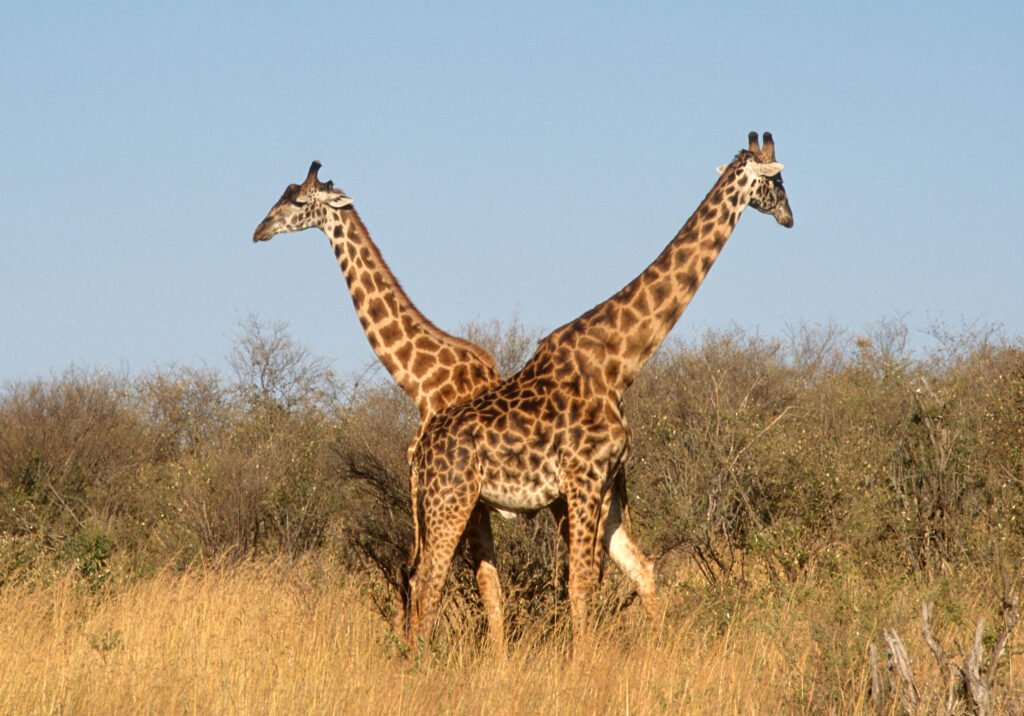
Two Giraffes in Masai Mara National Game Reserve, Kenya, Africa
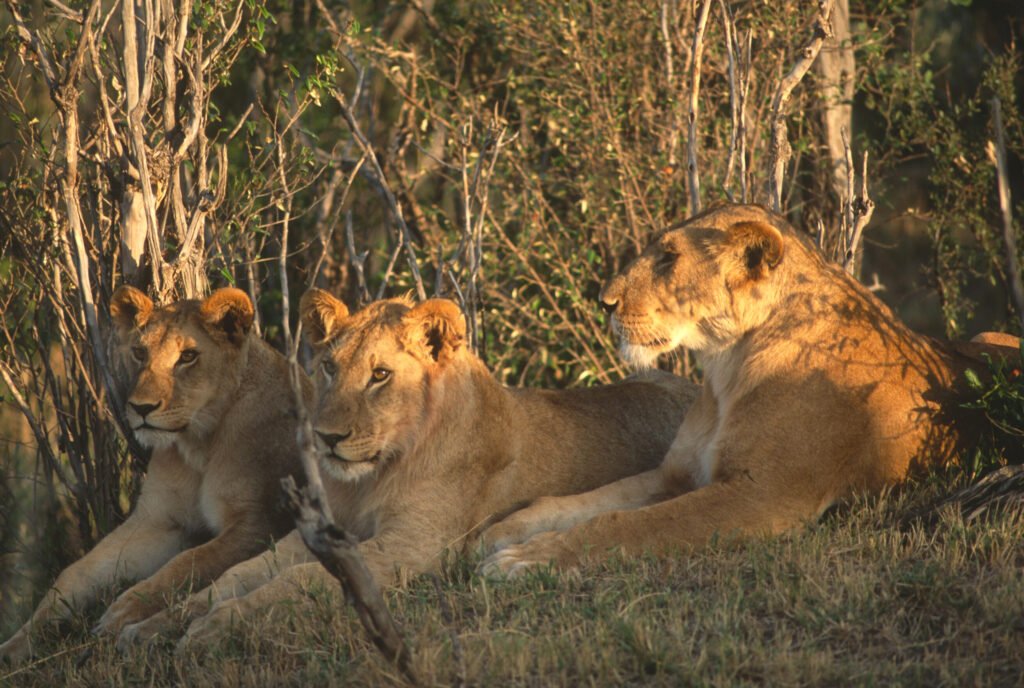
A Lioness Pride in Masai Mara National Reserve, Kenya, Africa

Volcan de Fuego, Guatemala, Central America, is an active volcano.
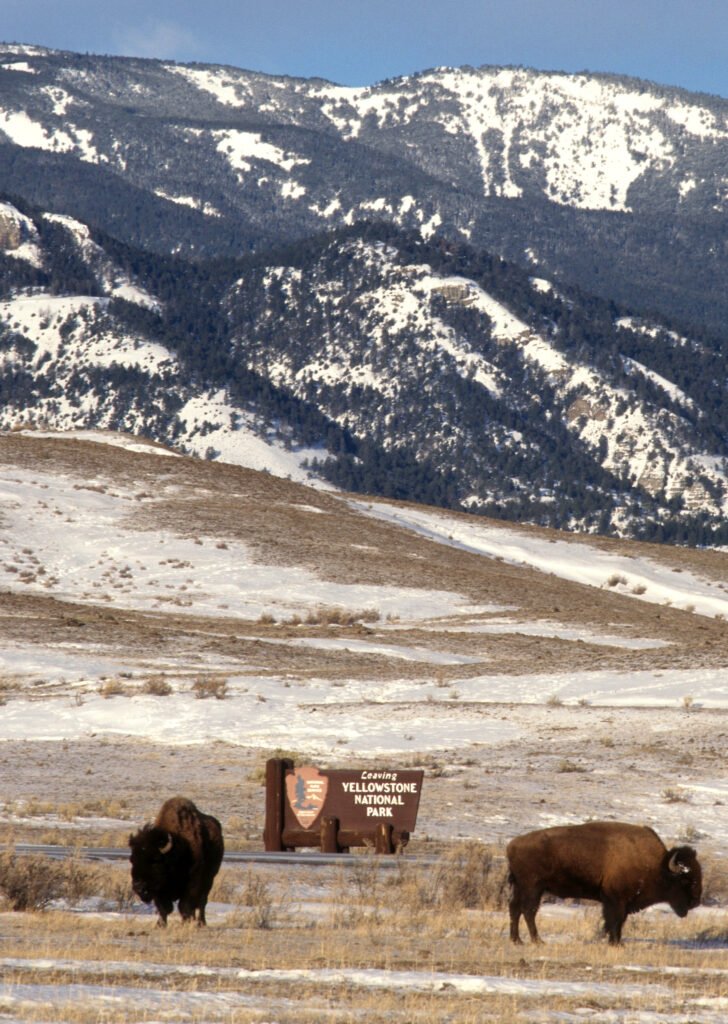
Bison Roam in the Yellowstone National Park, Wyoming. Yellowstone NP is 2.2 million acres in Size
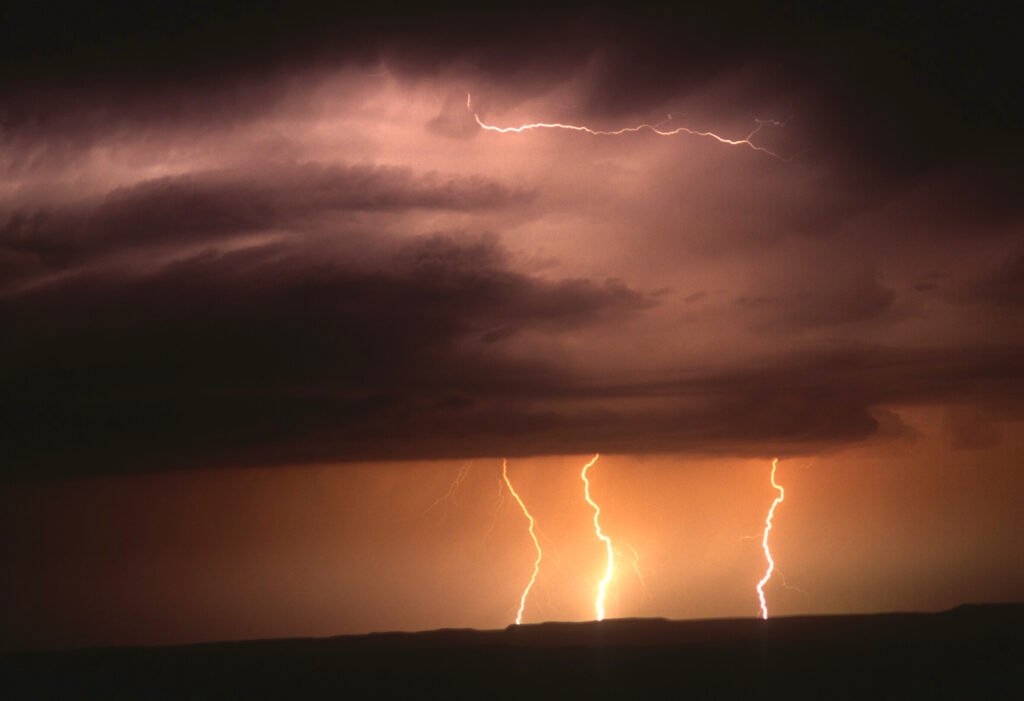
An Intense Lightning Storm in the Big Sky State, Montana
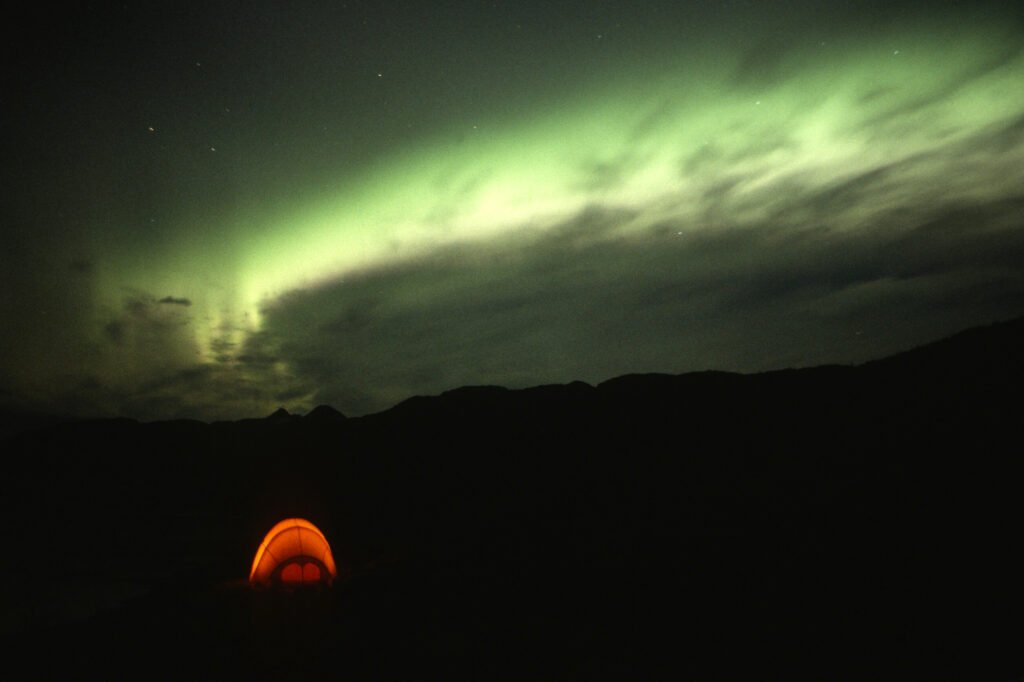
Northern Lights (Aurora Borealis) in Glacier Bay National Park, Alaska
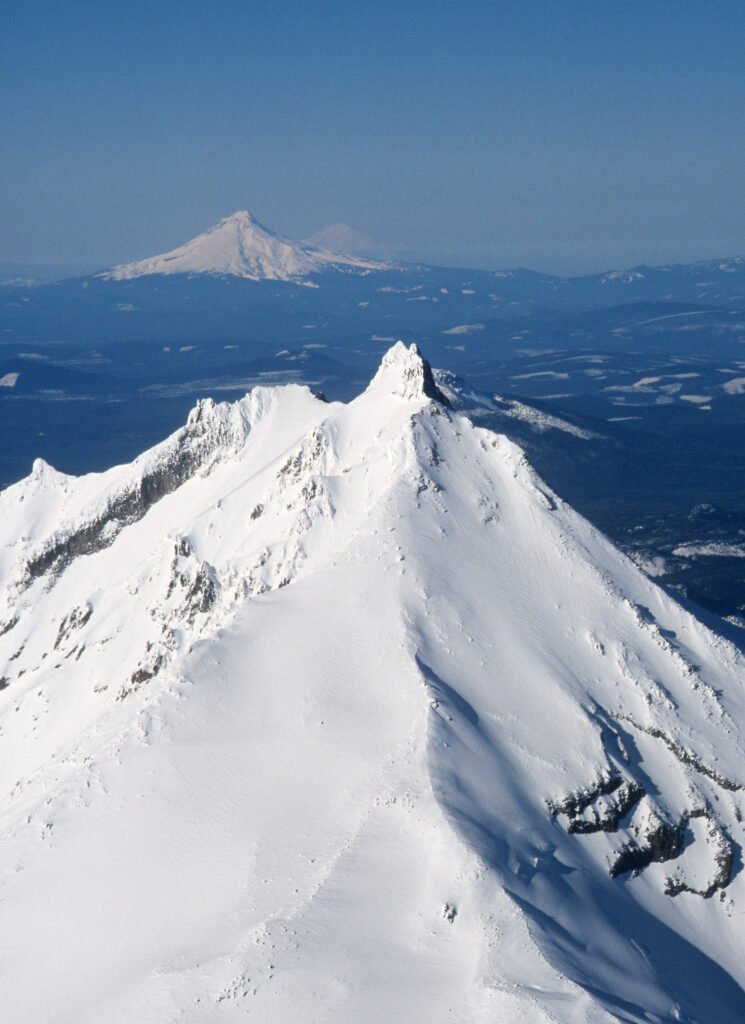
Mt. Jefferson and Mt. Hood (Oregon), and Mt. Adams (Washington), an Aerial View
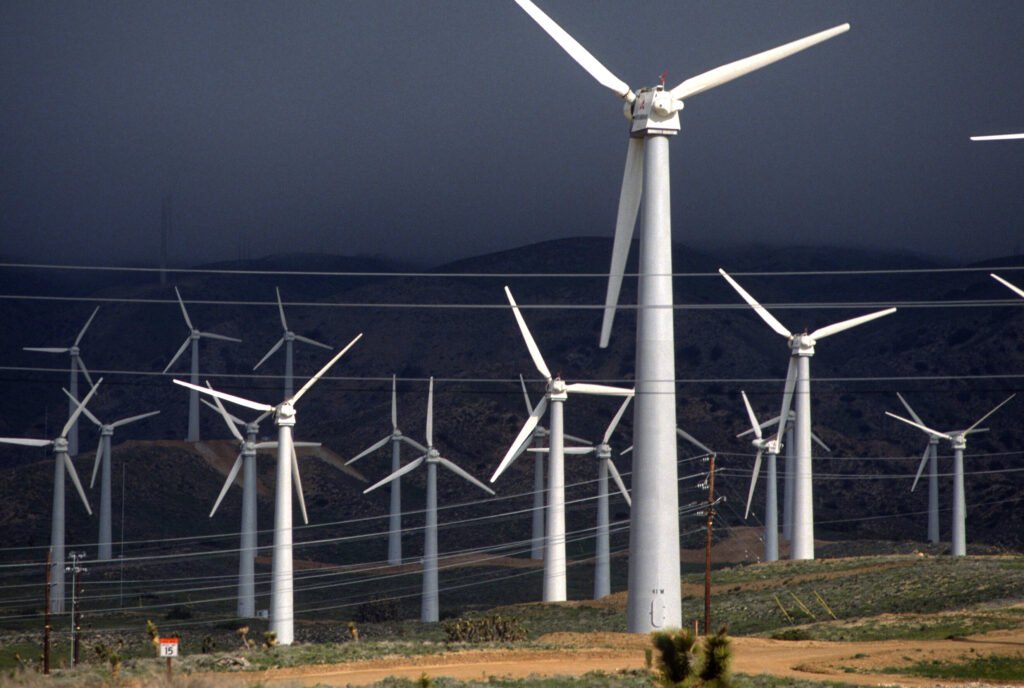
A Windmill Farm in the Columbia River Gorge, Oregon, has a 450 MW generating capacity.
Text by Arun Narayan Toké, editor, Skipping Stones, and photographs by Paul Dix, nature photographer and world-traveler, Oregon.
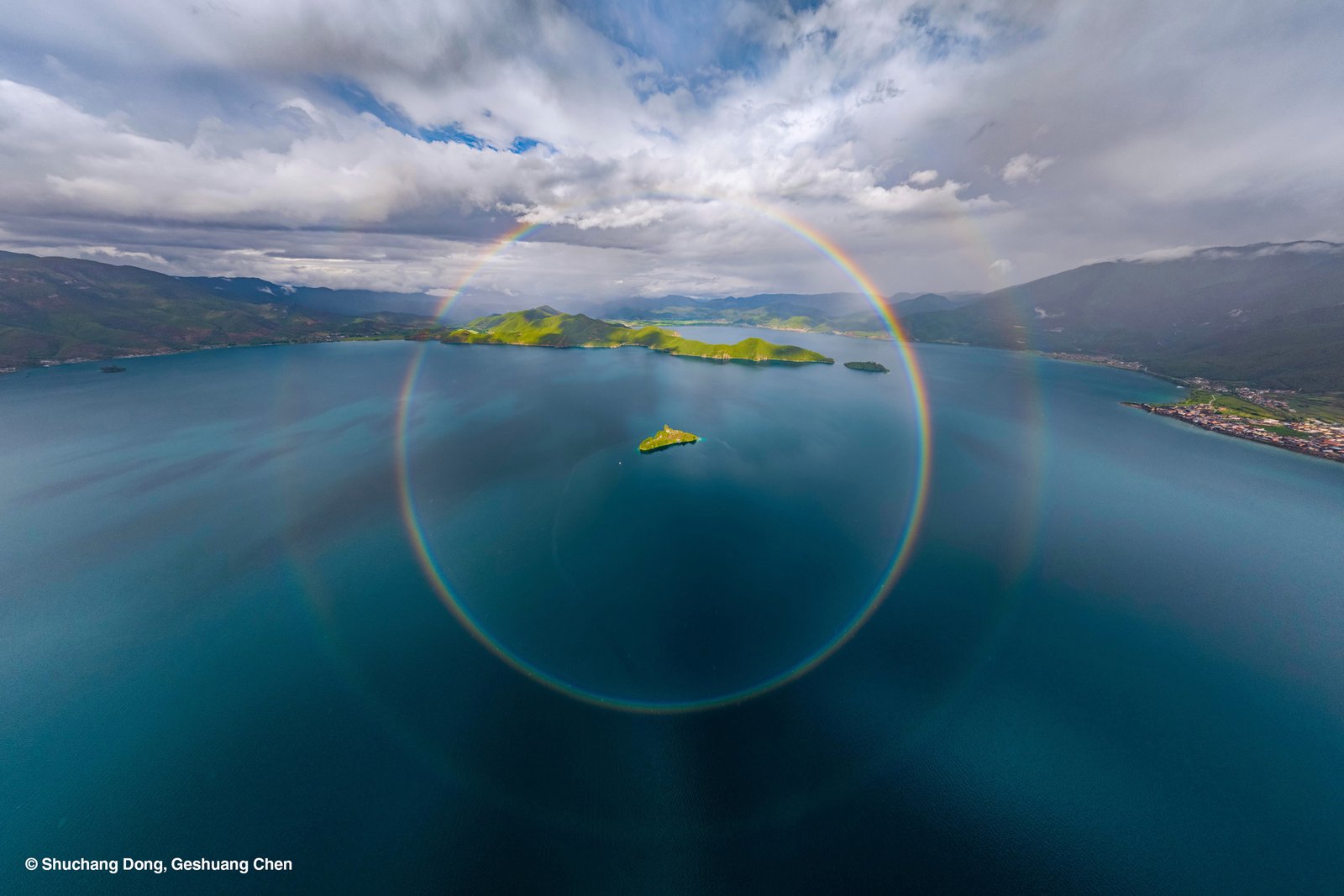 Winner: Geshuang Chen and Shuchang Dong, for their photo: “The Gorgeous Ring” on Lugu Lake, Yunnan Province, P. R. China.
 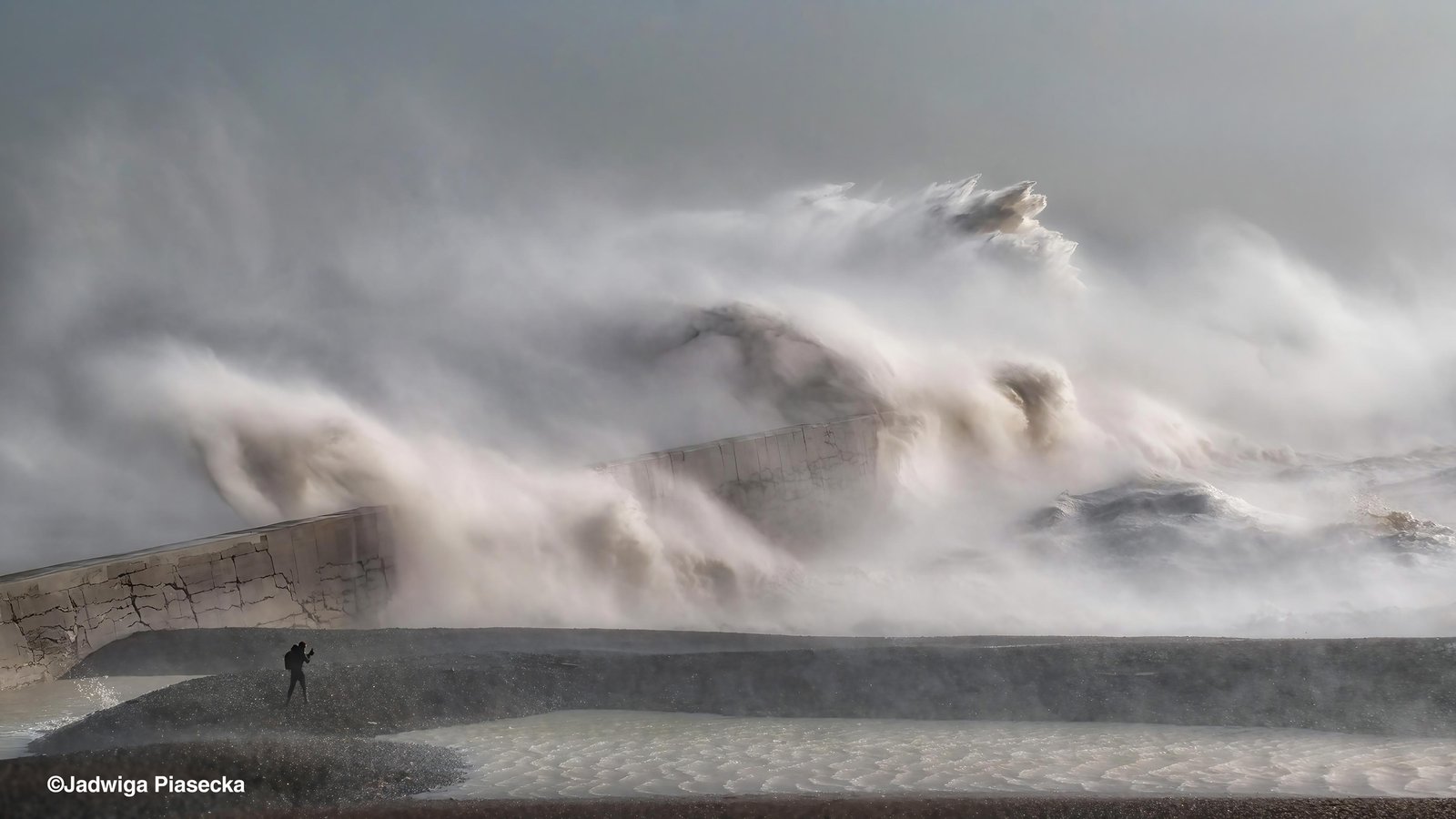 Runner Up: Jadwiga Piasecka, from the UK, for her photo: “Eunice III,” an image from a sheltered place
 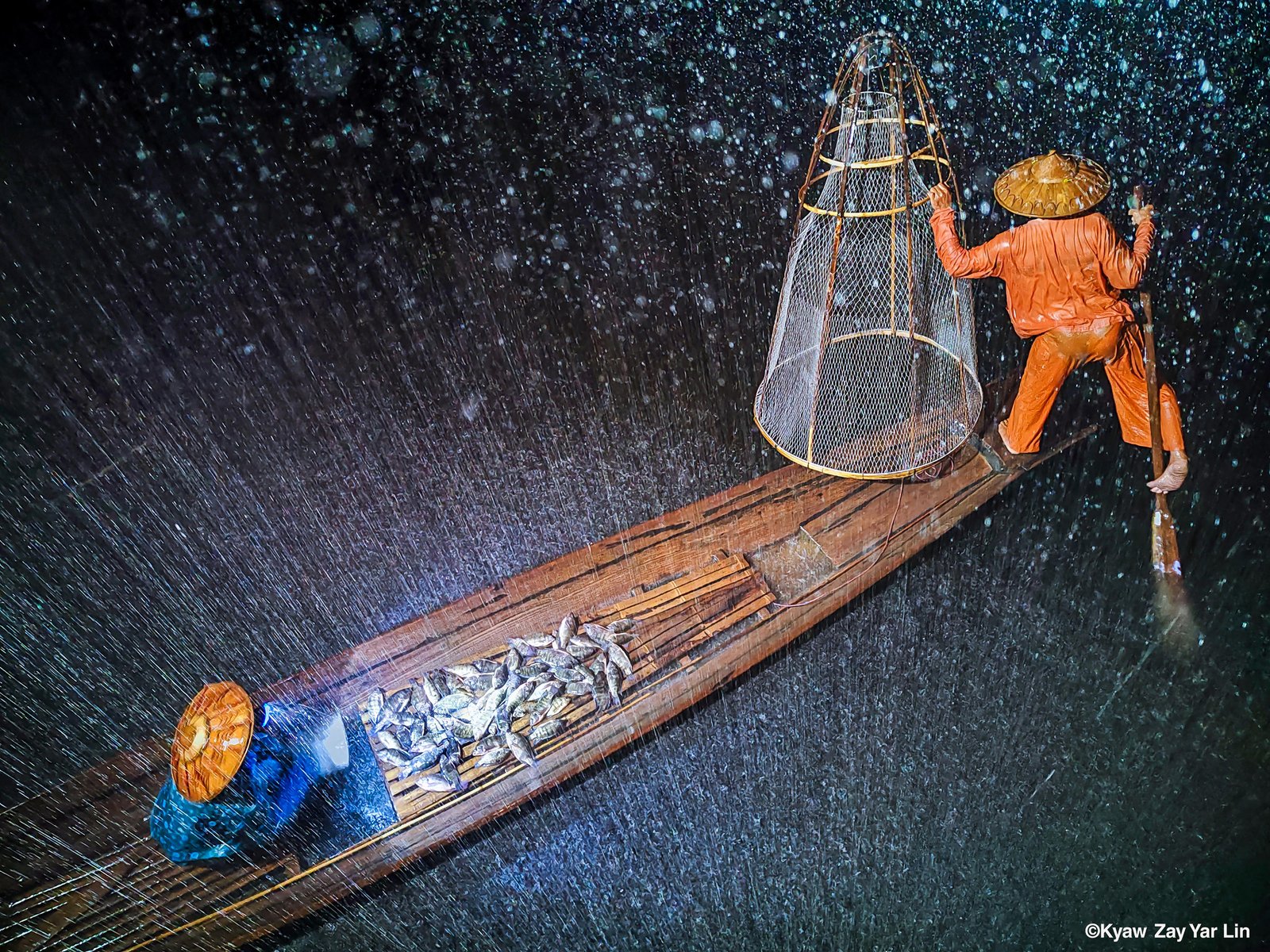 Winner: Kyaw Zay Yar Lin, from Myanmar. Photo: “Fishing in the Raining Season.” The photo captures the urgent feeling of being caught in a sudden downpour. The motion blur of both the fishermen and the rain make the viewer feel part of the action, caught in the sudden intensity of a tropical storm.
 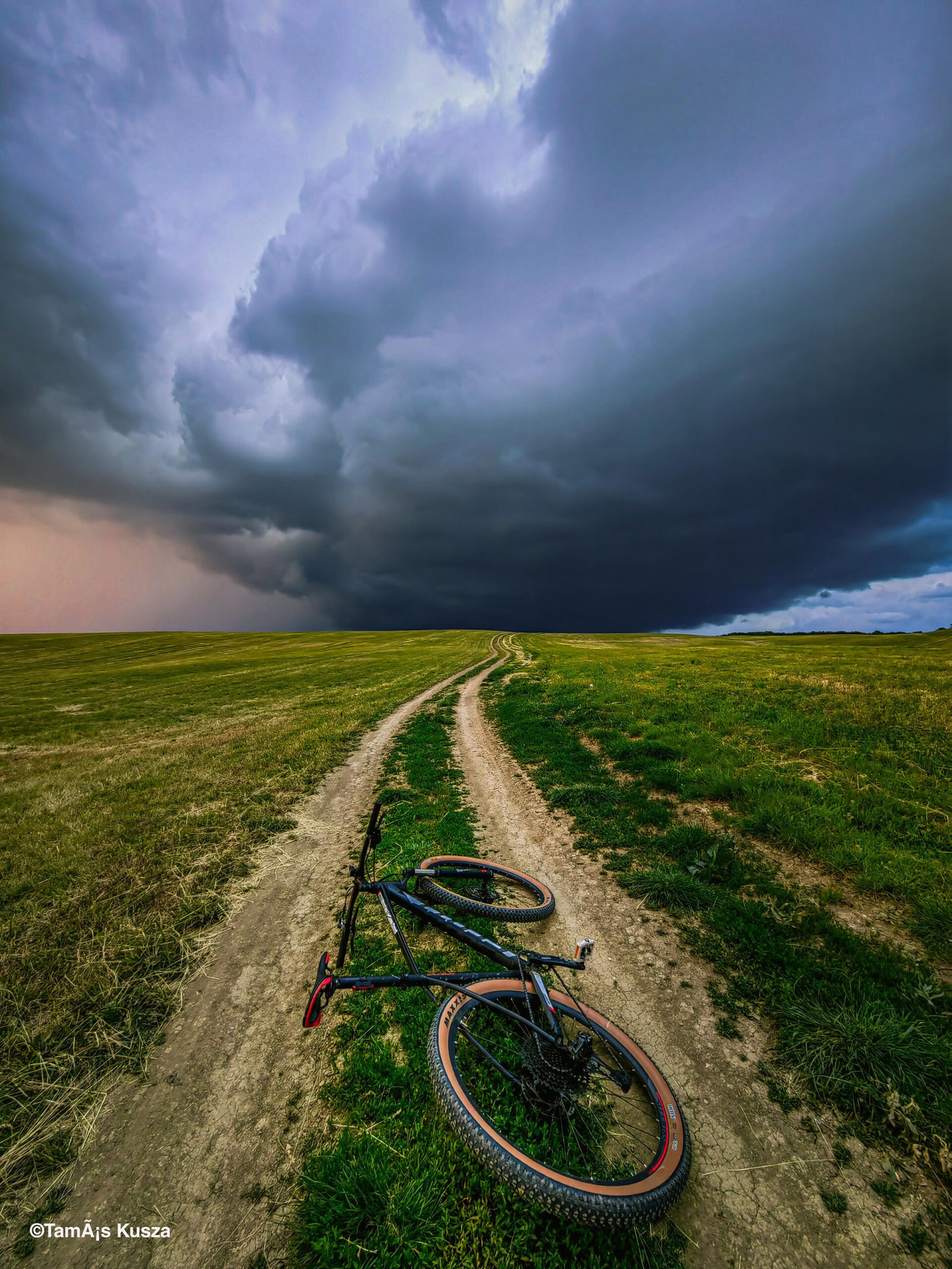 Runner Up: Tamás Kusza, from Slovakia, Photo: “Path to the Heart of the Storm”
 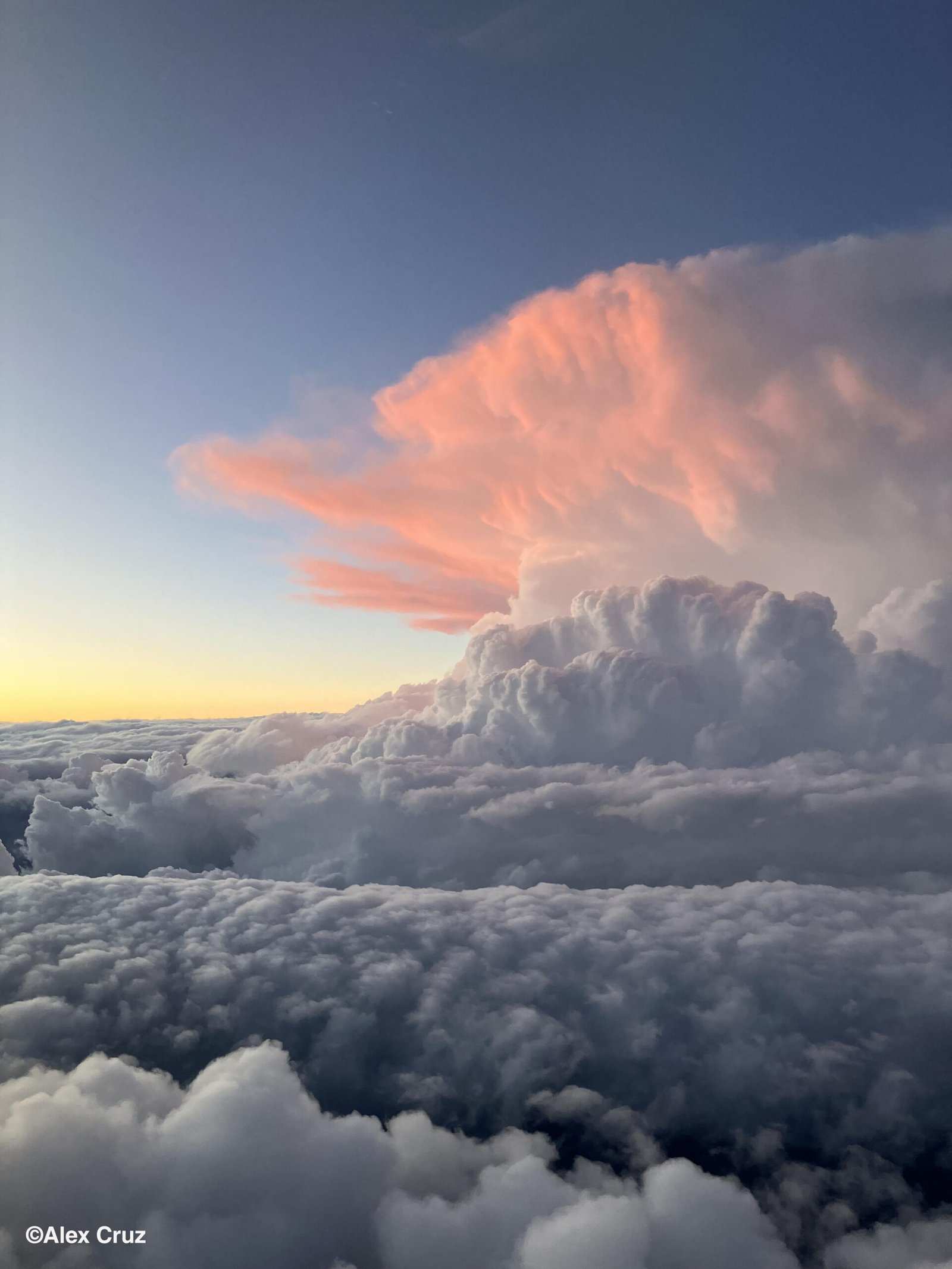 Winner: Adrian Cruz, from the US, Photo: “Eruption of the Sky,” captured from a passenger plane flying between Washington DC, and Orlando, Florida. The photo reveals a spectacular view of a thunderstorm cloud glowing pink against a deepening blue sky.
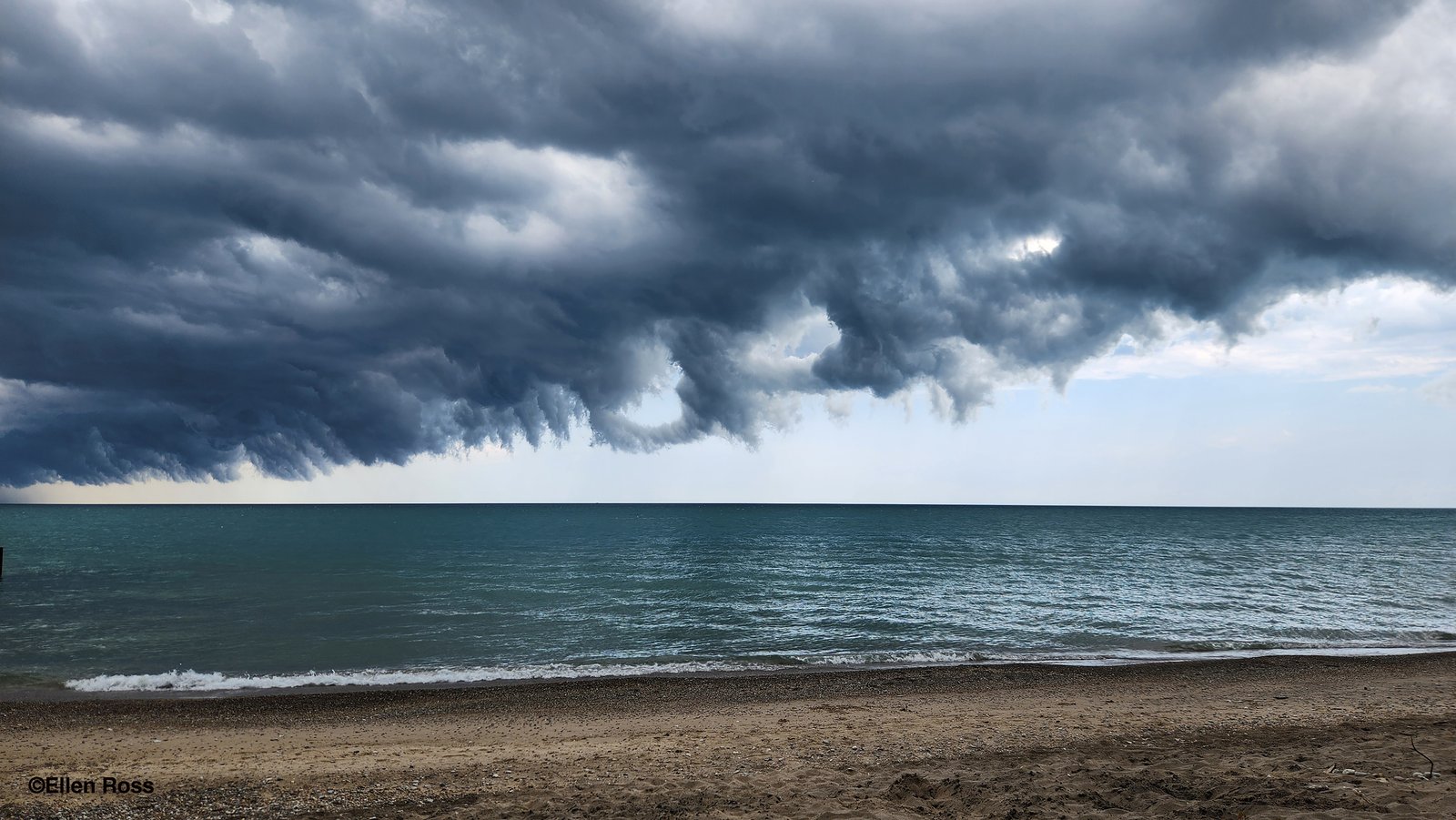 Runner up: Ellen Ross, from the US, Photo: “Clear Skies Ahead.”
 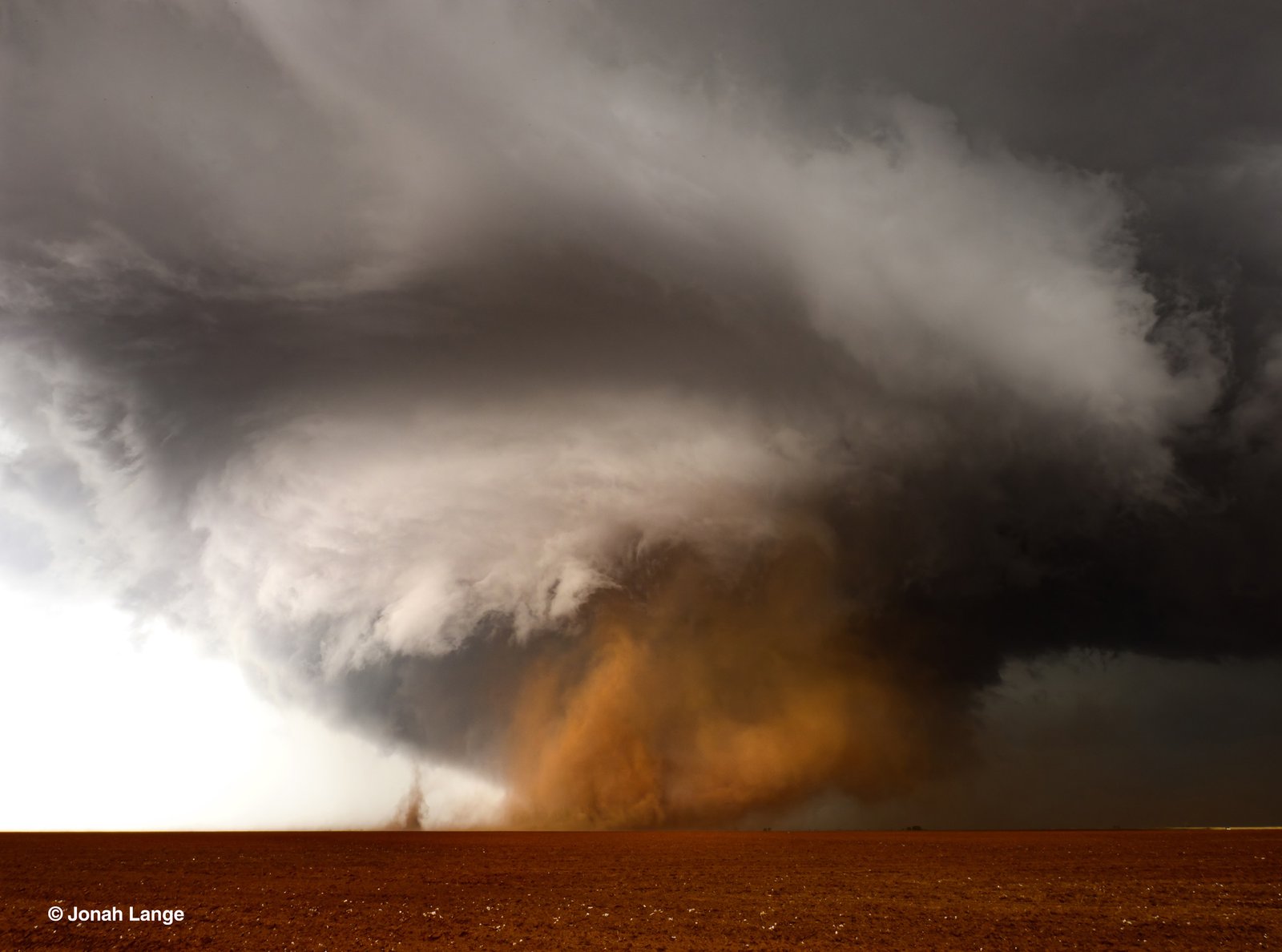 Winner:
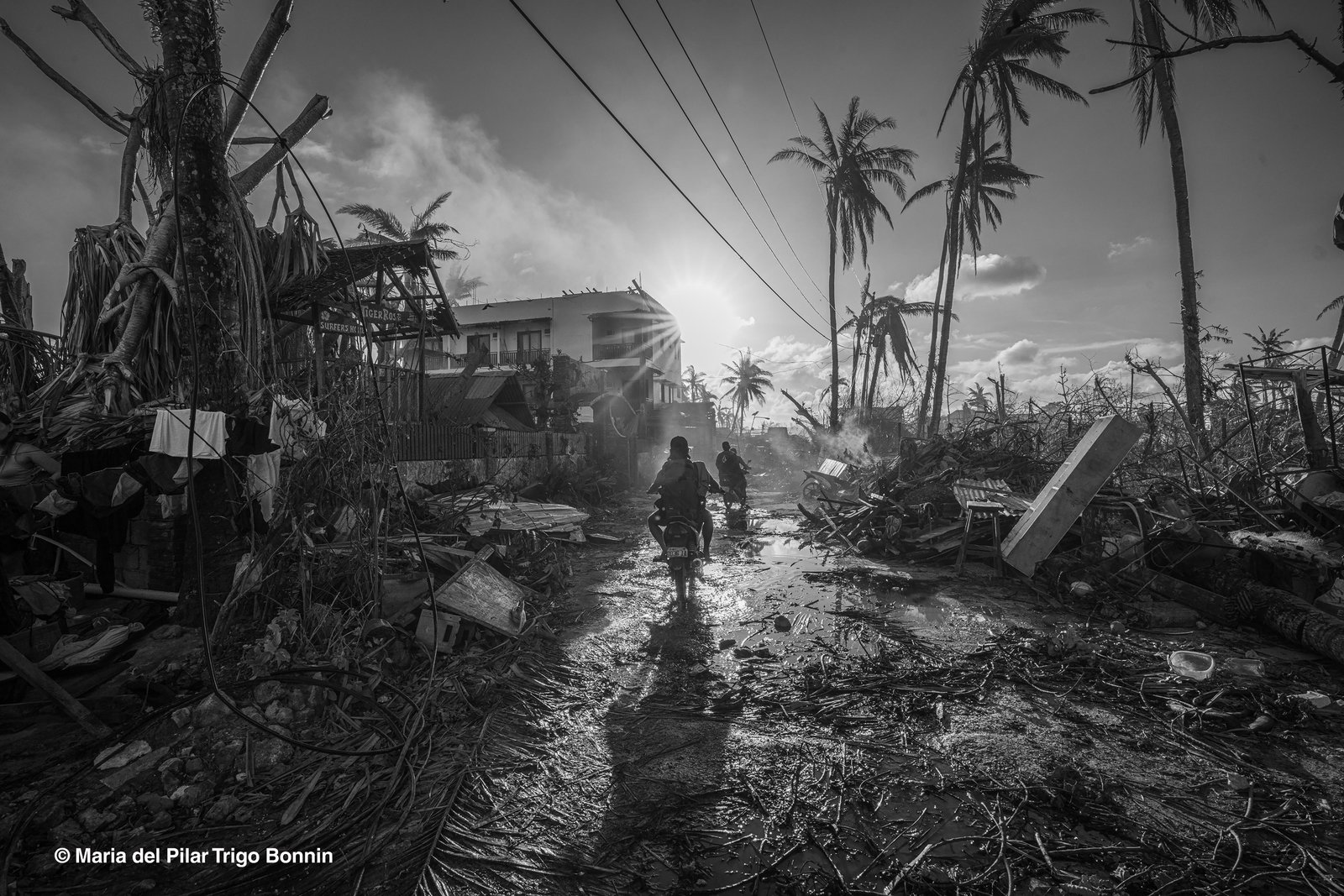 Runner Up: Maria del Pilar Trigo Bonnin, of the Philippines, for: “Heading Home.”
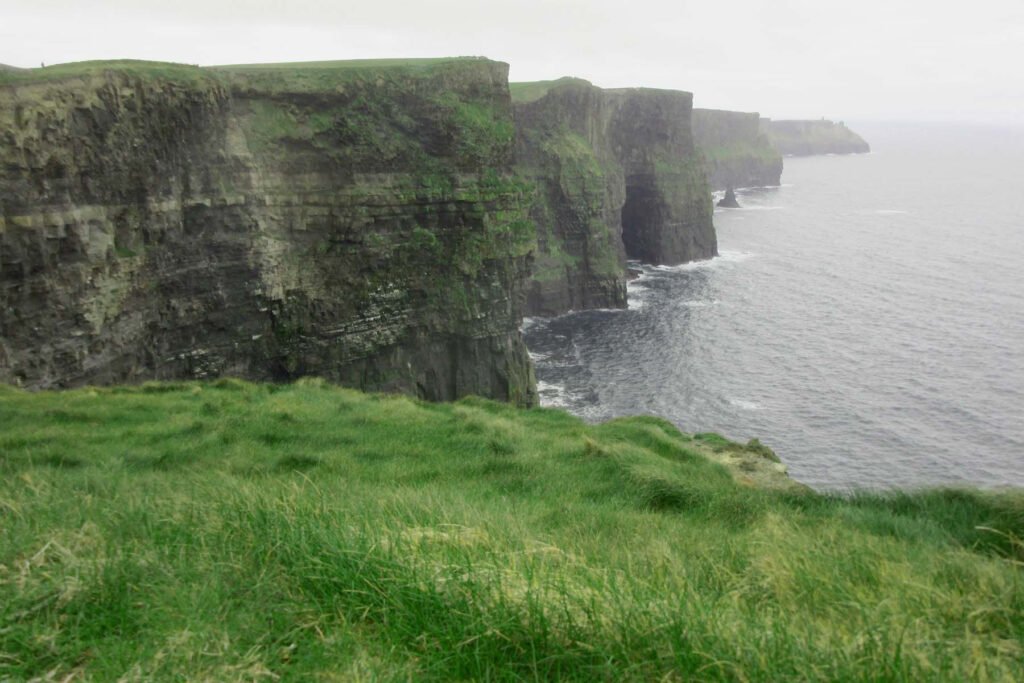
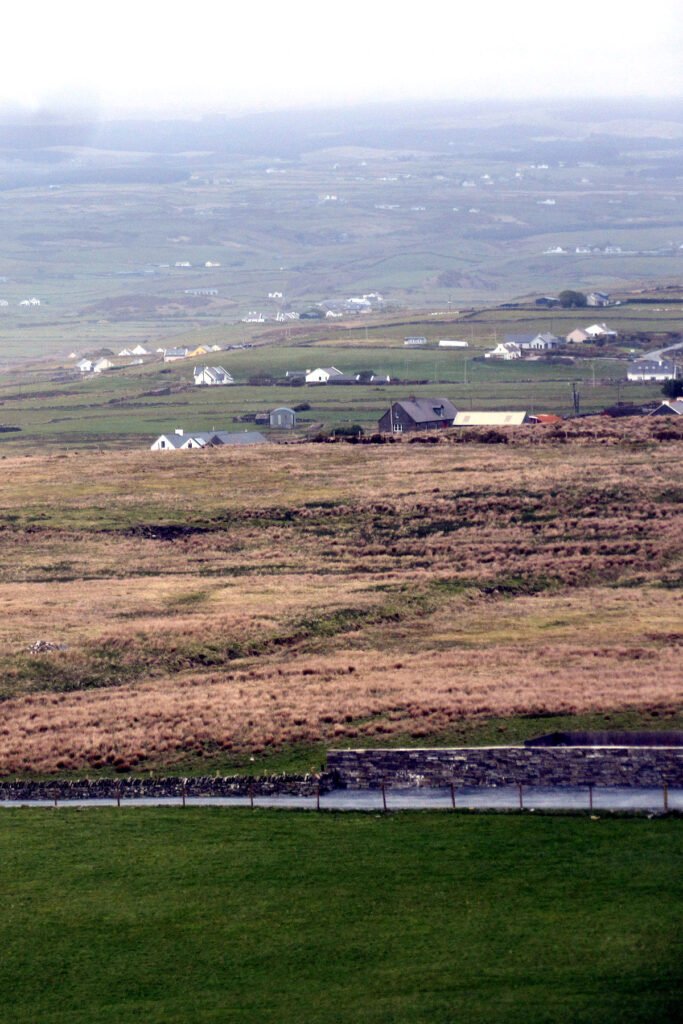
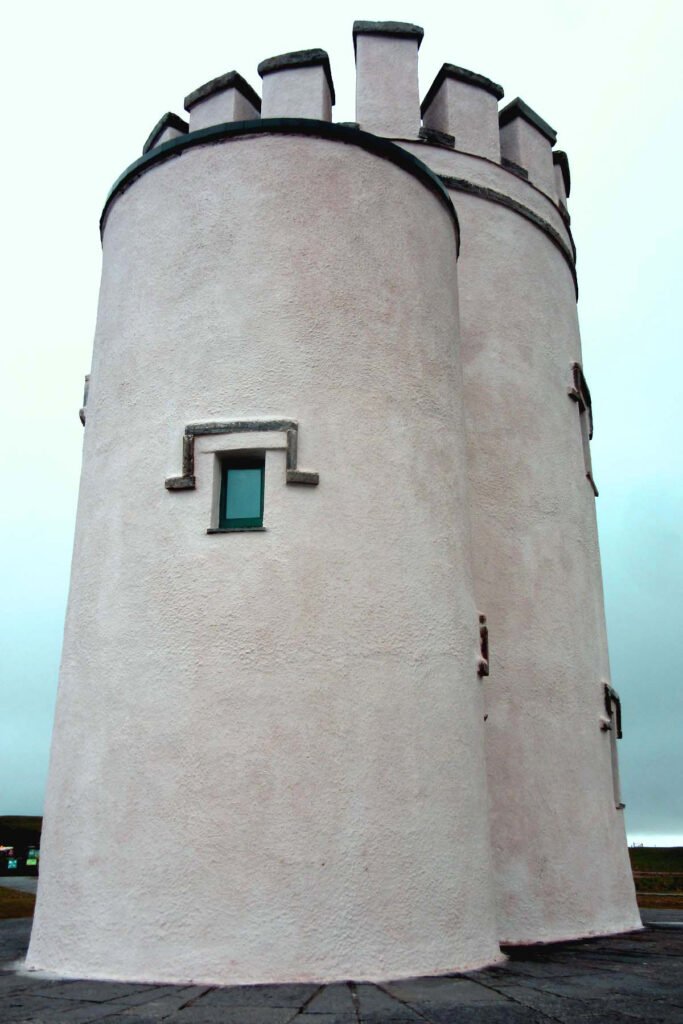 A popular attraction is O’Brien’s Castle. Built in 1835 by Sir Cornelius O’Brien, people climb the steps for spectacular views of the Aran Islands across the Bay. There is disagreement as to the purpose of the Castle, but it has been a tourist hit right from the beginning.
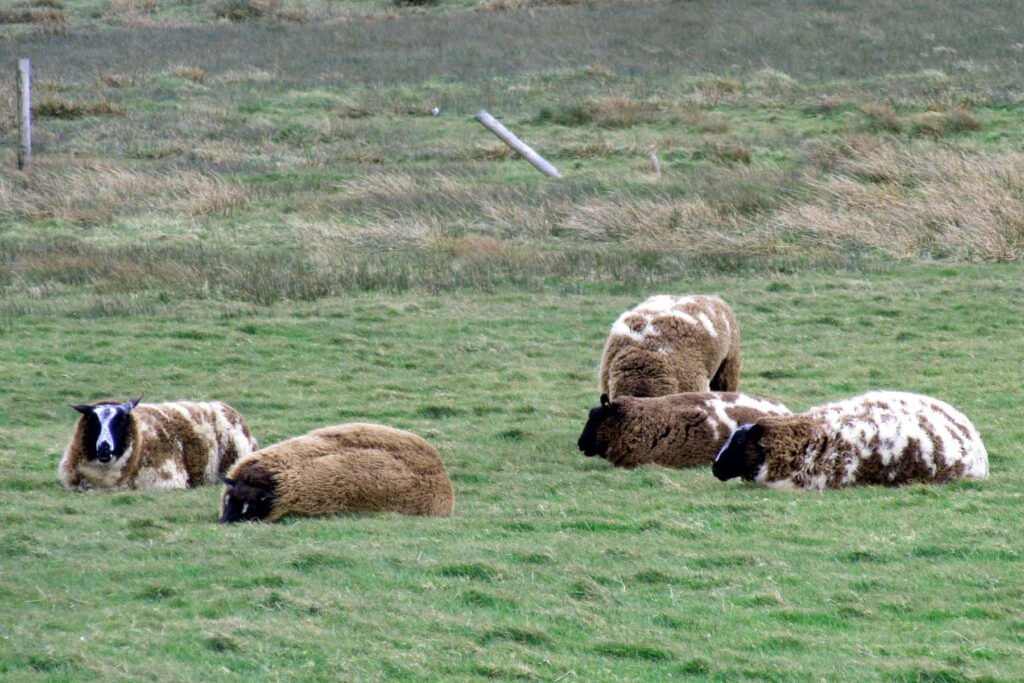
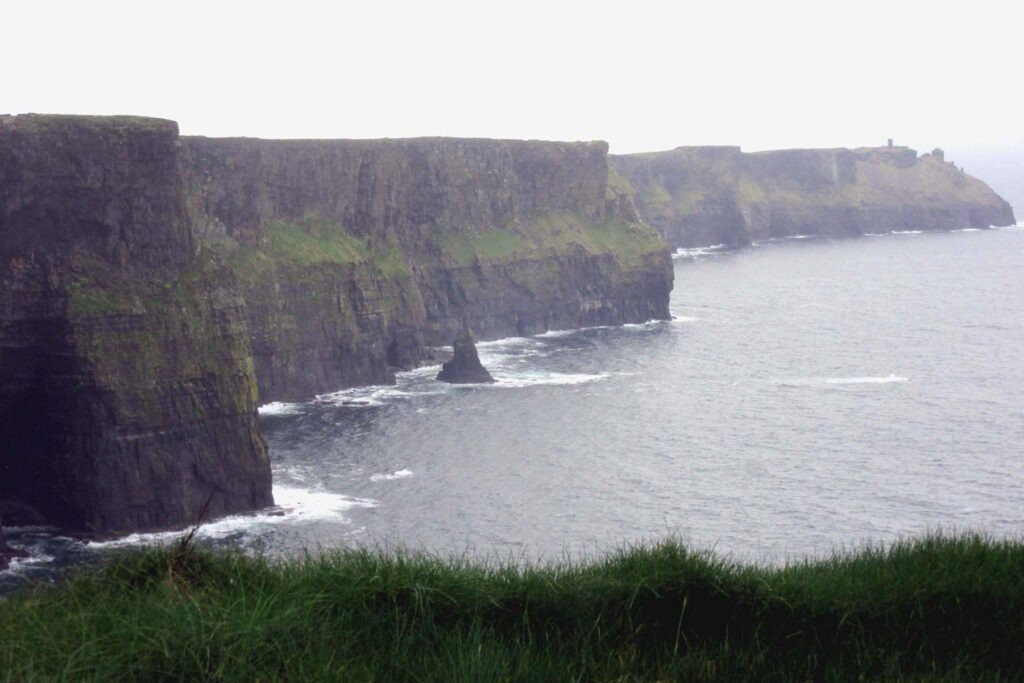
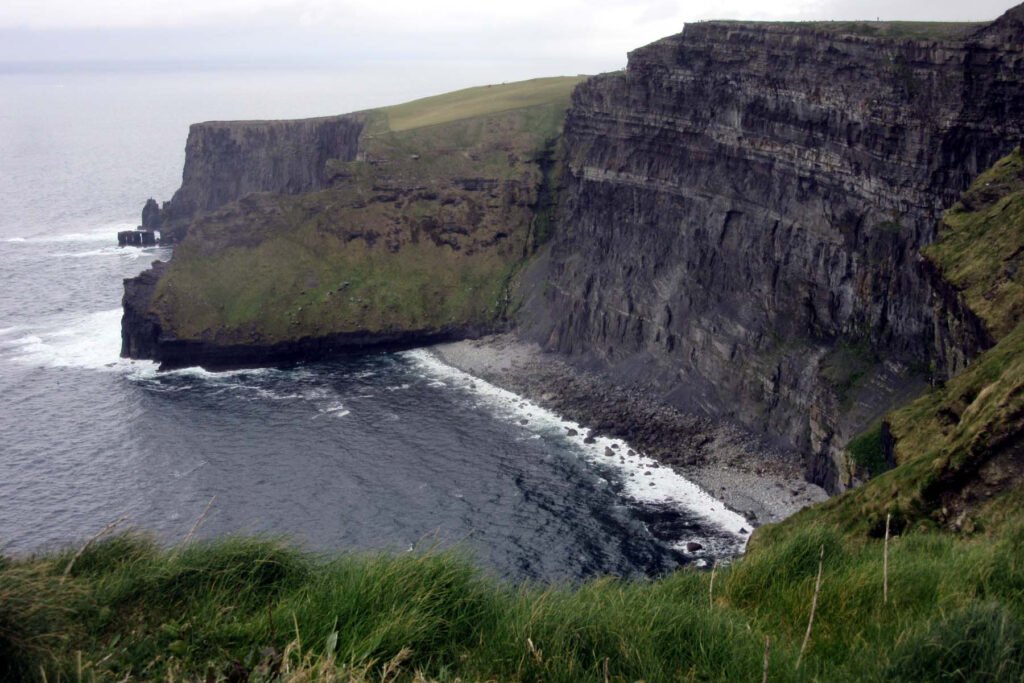 There are many different one-of-a-kind geological structures on the island of Ireland. The Cliffs of Moher tell the story of the passage of time. It took millions of years to build up the cliffs, and now erosion is tearing them back down to sediment. A visit to the Cliffs will last in your memory: the contrast of colors between the murky walls and the emerald green grass; the woolly sheep grazing nearby; and the mystery of O’Brien’s Tower all add up to an amazing day by the sea.
  Spring
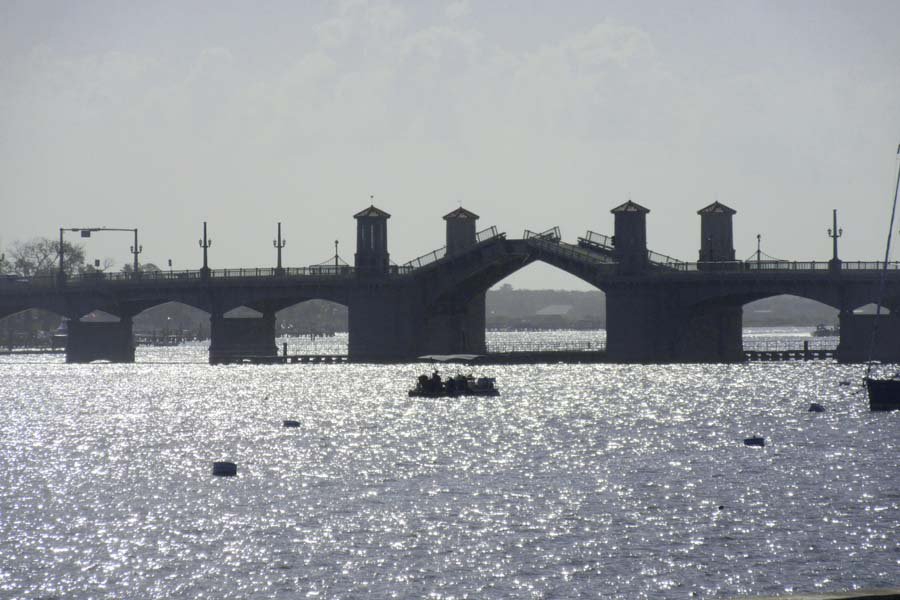

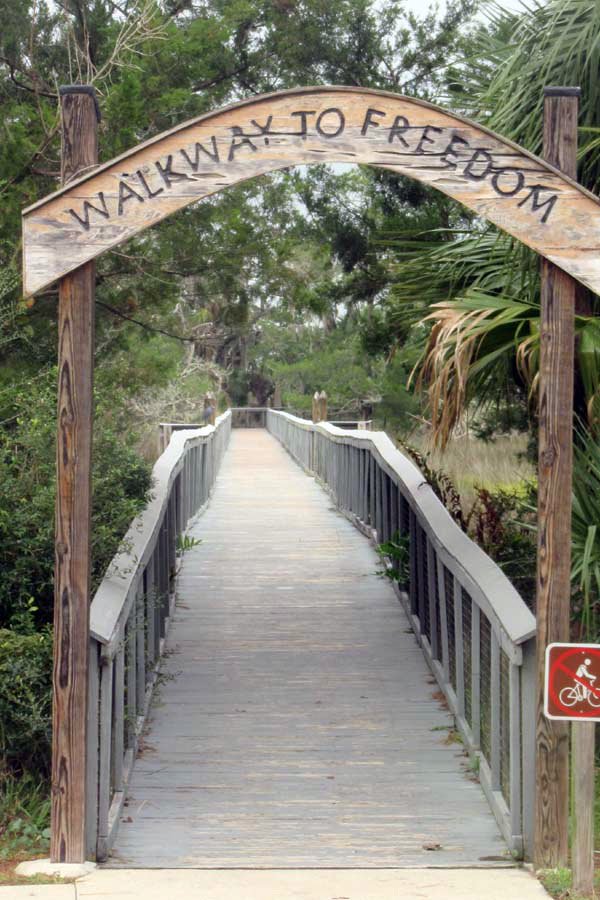
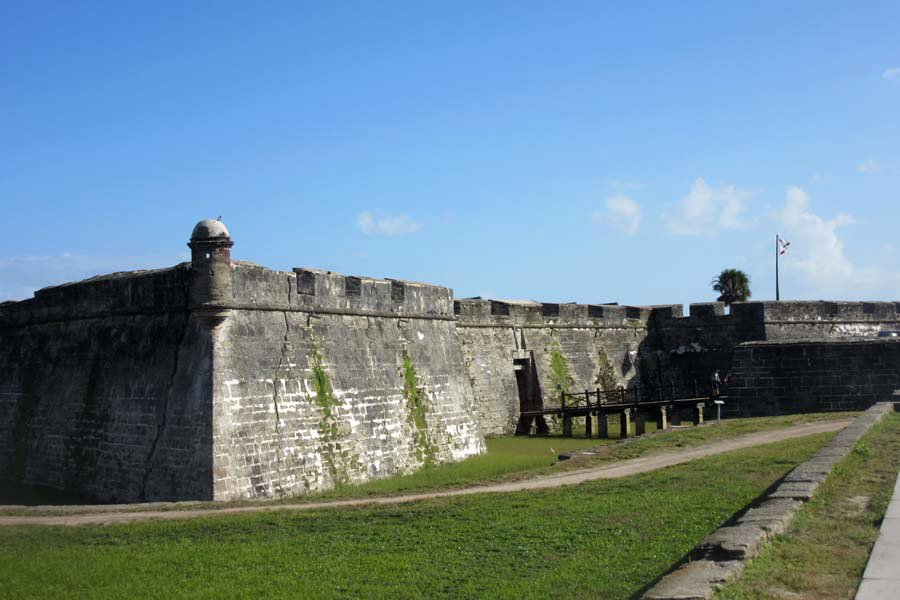
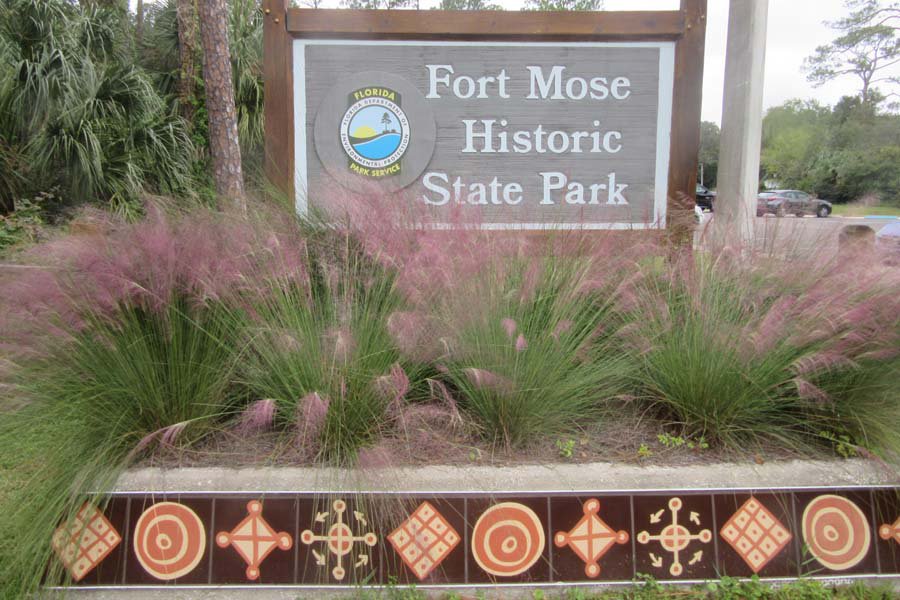 As soon as the British established its colonies north of Florida, the Spanish offered freedom to escaped slaves in return for serving in the Spanish militia. In 1738, 100 former slaves built Fort Mose north of the city. Sadly, climate change and rising sea levels have destroyed the old fort, but you can visit the state park today and learn how the freed slaves lived during the Spanish era.